Communication
How Writing Rewires Your Brain: A Creative Professional’s Perspective
Published on
The moment I decided to become a writer, I froze. My cursor blinked mockingly at a blank document. The paralysis was real, and I wasn't alone because countless aspiring writers face this exact moment, convinced they need some mystical talent before putting words on paper.
Here's what I've learned after years in creative industries. Writing isn't reserved for the chosen few. It's a practice anyone can develop, and in 2025's AI powered landscape, the barriers have never been lower. But here's the thing most people don't realise, the act of writing itself is what changes your brain, not reading about writing or thinking about writing but actually doing it.
This article is for creatives, professionals, and anyone who feels the urge to write but doesn’t know where to start, especially in an AI-driven world.
Writing in the Age of AI: What Changes and What Doesn’t
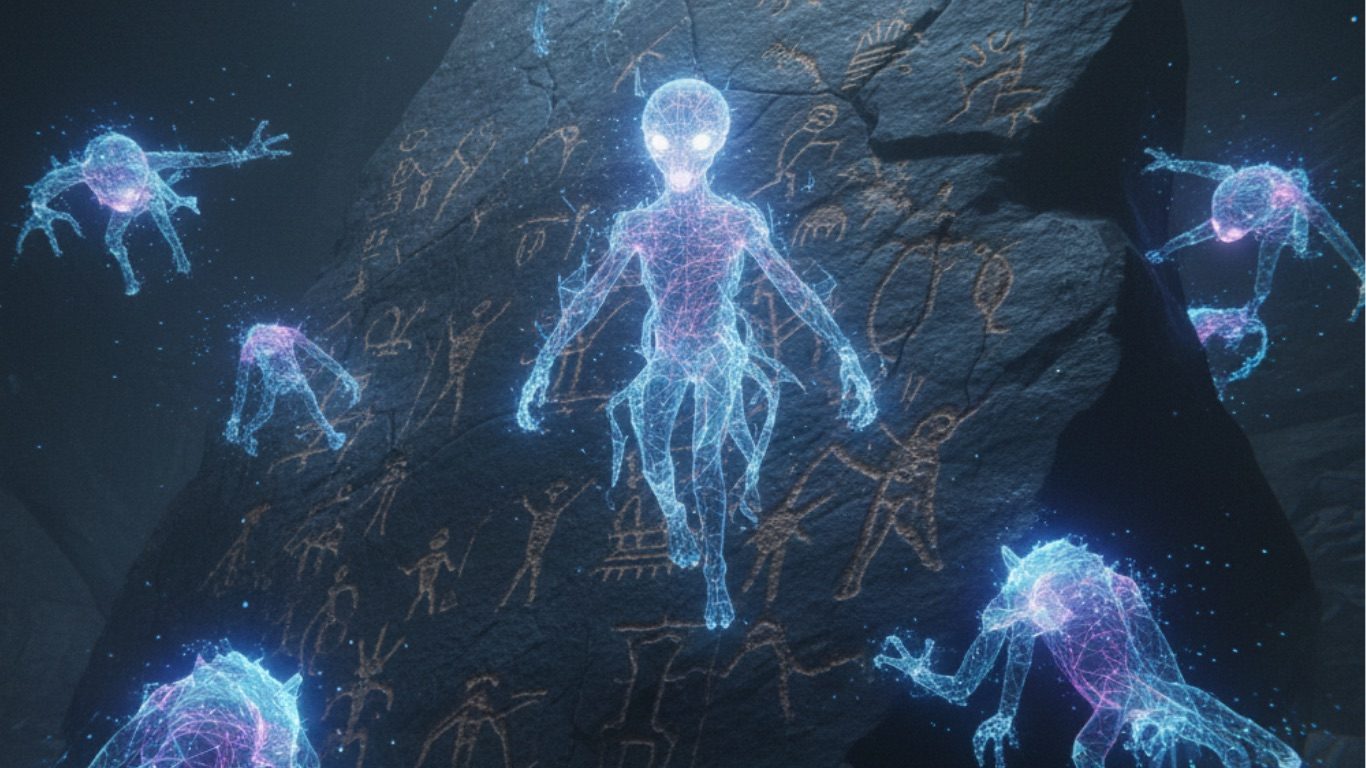
Our ancestors communicated through cave paintings and rock carvings, visual storytelling that predated written language by thousands of years. Think about it for a second. Some Homo sapiens somewhere started scratching symbols on rocks to share ideas, to warn others, to leave a mark. That urge to communicate, to create, to express? It's been hardwired into us since the beginning.
The fundamental truth remains unchanged in all these years. Writing is communication. Whether you're sketching narratives on stone or crafting blog posts with AI assistance, the core purpose stays the same, connecting with other humans through shared ideas and experiences. Non verbal communication is inherited and arguable, but when you put thoughts into written form, suddenly what matters is the hypothesis, the philosophy, the argument you're making.
Today's generative AI tools haven't eliminated the need for writers. They've democratized the creative process in ways we couldn't have imagined a few years back. The library of creative activity and opportunity has evolved massively. AI models excel at combining existing elements but struggle with true transformational creativity, which means the human element, your unique perspective, experiences, and voice, remains irreplaceable.
Think of AI as a collaborative partner in your creative journey, not a substitute for your originality. The technology handles mechanical tasks while you focus on what matters which is authentic expression. But let's be real here. AI doesn't have the intention to write, it doesn't wake up thinking damn I need to get this story out of my head. Large language models lack intrinsic motivation and don't contain self feedback loops that writers use to test and refine ideas. That's all you, that's the human part that nobody can replicate.
Journaling as the Best Way to Start Writing
When people ask me how to begin writing, my answer is always the same and it's simple. Start with journaling. Not tomorrow, not when you feel inspired, right now, today. Writing is an emotion that not everybody follows or adores, but it sets you up freely. It's a universe which exists after you, which is a wild thing to think about because once you write something down, it lives beyond the moment you created it.
Journaling creates a judgment free space where your thoughts can flow without performance anxiety. There's no audience to impress, no editor to satisfy, just you and your unfiltered thoughts. Start throwing your thoughts on notes, and if you can, use pen and paper because there's something about that physical connection.
While digital tools offer convenience, I strongly recommend starting with pen and paper, and this isn't just some romantic nostalgia thing. Handwriting activates a broader network of brain regions involved in motor, sensory, and cognitive processing compared to typing. The science is clear on this. When writing by hand, brain connectivity patterns are far more elaborate than when typewriting on a keyboard, with widespread connectivity between network hubs in parietal and central brain regions.
What does that actually mean for you as a writer? It means that when you physically write with a pen, handwriting stimulates the brain to connect motor activities with cognitive processes, enhancing neural activity in areas associated with memory and language. The tactile connection between hand, pen, and page engages your brain differently than typing. This physical act strengthens the mind body coordination essential for creative thinking.
Research shows increased activity in low frequency bands called alpha and theta during handwriting, which support memory processes and learning. For young learners especially, handwriting training contributes to the specialization of neural networks that enable letter identification and reading development. But even for adults, this deeper cognitive engagement matters. It's why filmmakers, artists, and creative professionals often sketch ideas by hand first before moving to digital tools.
If you’re curious about how research shapes creative work, you may also enjoy Why Research Is the Real Work Behind Creative Strategy
Don't worry about perfect grammar or eloquent phrasing at this stage. Focus on getting one thought down at a time, without worrying about anything but that one thought. This approach makes writing more enjoyable and way less overwhelming.
How Writing Changes the Brain (Neuroscience Explained Simply)
Here's where it gets fascinating, and this is backed by actual neuroscience research. Writing about past negative events has been shown to lead to positive outcomes, possibly by freeing up cognitive resources that were previously occupied with unprocessed emotions or experiences. The act of writing forces your brain to organize chaos into coherent narratives.
Writing engages both the left and right hemispheres of the brain, improving communication across areas responsible for regulating emotions. When you write regularly, you're literally creating new neural pathways. Think about that for a second. Every time you sit down to write, you're building stronger connections in your brain, making it easier to think clearly, process emotions, and generate ideas.
The practice of writing enhances the brain's intake, processing, retaining, and retrieving of information, which is why students who write notes by hand often perform better than those who type. But this goes beyond just academic performance. Regular writing practice improves executive functioning, that's your ability to plan, focus attention, and manage time, which are skills that benefit literally every area of your life.
Language Development Through Creative Practice
Here's something that doesn't get talked about enough. Creative writing, as an expressive and innovative type of language usage, has the potential to advance language ability in ways that passive learning never could. When you force yourself to articulate thoughts on paper, you naturally expand your vocabulary, improve your grammar, and develop a more nuanced understanding of language structure.
Linguistic maturity, characterised by a deep understanding of language and broad vocabulary, facilitates creativity through associative thinking and making novel connections between diverse concepts. It's this fascinating feedback loop where writing improves your language skills, which then enhances your creative capabilities, which makes you a better writer. The more you write, the more confident you feel, and confidence matters because it's what gets you to keep showing up.
For second language learners or anyone looking to improve their communication skills, creative writing assignments serve as an important tool that fosters greater motivation and engagement. The research consistently shows this. When writing is interesting, when it engages your creativity rather than just testing mechanical skills, you learn faster and retain more.
Can Writing Become a Career in 2025?
The beauty of developing writing skills extends far beyond publishing novels, and this is where it gets practical. Today's content economy demands skilled writers across numerous fields.
Copywriting is about crafting persuasive marketing messages and advertising content. It pays well and there's constant demand. Content Marketing involves building blogs, social media, and brand storytelling, which every company needs now. Screenwriting develops scripts for films, shows, and documentaries, an area I've worked in extensively. Corporate Communications manages internal and external business messaging, which is more important than ever in remote work environments. Technical Writing creates documentation and instructional materials that actually make sense to users.
Each specialization requires different techniques, but they all share common foundations. The versatility of writing skills means you're never locked into one career path. I've moved between film production, brand storytelling, and content creation because the core skill, being able to communicate ideas clearly and compellingly, translates everywhere.
Can You Make Money Writing? The Real Answer
Yes, you can make money from writing, but you need to understand your surrounding universe is evolving and so are the skills required. With writing you need to know other tools and learn other sets of skills to operate in this world effectively. Copy writing, blog and ad content, films, documentaries, corporate communications, they all come under writing but each requires slightly different approaches.
The modern writing economy rewards those who combine traditional writing excellence with complementary skills like SEO knowledge, content strategy, audience understanding, and platform specific expertise. Writing remains the core skill, but success requires adapting to evolving tools and platforms. That's just reality now. You can learn any skill at any time these days. The more you write, the more confident you feel, and you start seeing opportunities you didn't notice before.
Writing as Mental Fitness (Not Productivity)
Beyond professional applications, writing offers profound personal benefits that matter even if you never make a cent from it. In our information saturated age where everyone's brain is constantly being pulled in seventeen directions, writing helps clarify thinking and process emotions in ways nothing else can.
Think of writing like going to the gym. It's a practice that maintains mental fitness. The parallel is real, nobody judges you at the gym for starting light, and nobody should judge your early writing attempts. Writing activities enhance creativity and encourage engagement in the creative process, helping develop self confidence.
Regular writing sessions clear mental clutter, organize thoughts, and provide emotional release. The therapeutic value alone justifies the habit, regardless of professional aspirations. It's a universe which exists after you. When your thoughts are trapped in your head, they spin in circles. When you write them down, suddenly you can see them, evaluate them, move past them.
Journaling has been shown to improve not only emotional health, but also mental agility and long term memory. In this AI age, I honestly feel everyone should start writing again. It doesn't matter whether you're reading books or scrolling social media, make writing a hobby like going to the gym. It clears your mind and helps you think. That's valuable in itself.
The Reading Writing Connection: You Can't Have One Without the Other
Here's a truth every writer eventually discovers, and there's no way around this one. To write well, you must read voraciously. Writing demands reading. That's it. Writers should read, observe, think, write, and revise. This cycle forms the foundation of improvement. You can't output what you haven't input.
Reading exposes you to different voices, structures, and techniques. You absorb patterns unconsciously that later emerge in your own work. It's like how filmmakers watch films differently than regular audiences, they're studying shot composition, pacing, narrative structure. Writers need to read the same way, not just for entertainment but to understand how language works.
Diverse reading habits create better writers. Don't limit yourself to one genre or medium. Read fiction and nonfiction, poetry and journalism, academic papers and social media threads. Each format teaches different lessons. Read the classics, read contemporary work, read things you disagree with, read outside your culture and language if you can. Every piece of writing you consume becomes part of your creative toolkit.
Your Unique Creative Process: There's No "Right" Way
There's no one correct way to put together a story, novel, article, blog post, essay, memoir, poem, or any other piece of writing. Let me say that again because people stress about this way too much. There is no universal right way to write.
Some writers meticulously outline before drafting. Others discover their story as they write, they're the "pantsers" who write by the seat of their pants. Some edit as they go, others produce messy first drafts then revise extensively. Some write best at dawn, others at midnight. Some need complete silence, others need music or background noise. Every writer finds their own best method, and each approach is equally valid.
The important thing is experimentation. Try different approaches until you find what clicks for you. Maybe you're a morning person who needs coffee and silence. Maybe you're a night owl who writes best with lo fi beats playing. Maybe you need to pace while dictating ideas into your phone before sitting down to write them properly. All of this is fine. The only wrong approach is not writing at all.
Building Your Writing Routine: Consistency Over Everything
Consistency matters infinitely more than perfection, and I cannot stress this enough. Try to focus on writing in small increments at first. Fifteen minutes daily beats sporadic three hour sessions every few weeks. This helps develop your endurance for writing and makes the process of sitting down easier over time.
Start with realistic goals that you'll actually stick to. Identify a time of day when you seem more creative or have more clarity of thought, and commit this timeframe to writing. For some people that's first thing in the morning before the day's chaos starts. For others it's late at night when everything's quiet. Find your time and protect it.
The compound effect of daily practice produces remarkable results over time. You might write garbage for the first month, but by month three you'll notice your ideas flowing more easily. By month six you'll look back at those early entries and see how far you've come. That progress is real and it's yours.
Embracing Imperfection: Every Great Writer Sucked at First
We all make bad art on the way to making good art, and that's just the way it is. Let me be extremely clear about this because I wish someone had told me this earlier. Your early drafts will embarrass you. That's completely normal and actually necessary.
The distance between your current skill level and your taste creates that discomfort, and honestly it's evidence you're developing critical judgment. You can tell your writing isn't where you want it to be, which means you're developing the discernment to recognize good writing. That's progress even though it feels frustrating.
Permission to write badly is permission to write at all. Don't edit yourself or criticize your choices while writing your rough draft because no one gets to see it but you. Write it, leave it, come back later with fresh eyes. The revision process is where good writing happens, but you need something written before you can revise it. Get comfortable with creating rough drafts that are genuinely rough.
Why Start Writing Now in the AI Era?
In the AI era, human creativity becomes more valuable, not less valuable like some people fear. As algorithms generate generic content at scale, authentic human perspective stands out more sharply than ever. The content that connects, that resonates, that actually moves people? That's human work.
Your unique experiences, cultural background, and individual worldview create a voice no AI can replicate. I've worked with AI tools extensively in my film and content work, and here's what I know for certain. AI can help you work faster, can suggest ideas, can handle tedious formatting tasks. But it cannot replicate the authentic human experience that makes writing meaningful.
The combination of human insight with AI efficiency represents the future of content creation. Writers who embrace AI as a tool while maintaining their authentic voice will thrive. Writers who either resist all technology or rely entirely on AI output will struggle. The sweet spot is using technology to amplify your human creativity, not replace it.
Starting your writing journey doesn't require permission, credentials, or perfect conditions. It requires only a willingness to begin, consistency over perfection, openness to experimentation, and patience with the learning process. That's it, those four things.
The democratization of writing tools means anyone with dedication can develop this skill. Whether you write for professional advancement, creative fulfillment, mental wellness, or all three, the practice rewards commitment. But you have to start. You have to actually put words on the page.
Take the First Step Today, Not Tomorrow
Stop waiting for the right moment, the perfect idea, or complete clarity about your writing future. Those things don't exist, they're just excuses your brain creates to avoid the uncomfortable work of beginning. Every story develops from scenes placed in order according to cause and effect, but first you must write that opening scene.
Open a journal. Start a blog. Draft that story idea. Write that email you've been postponing. Record a voice memo and transcribe it later. The medium doesn't matter, the action does. The act of beginning matters more than the quality of what you begin with.
The world needs your voice, and I'm not being dramatic about this. The stories only you can tell remain unwritten until you claim your space as a writer. Not someday when you're ready, not after you take another course or read another book about writing. Today. Right now. Start writing.
About the Author: As a creative professional working across film, content creation, and brand storytelling, I've witnessed firsthand how writing skills unlock opportunities across industries. This piece reflects my journey and conversations with countless creatives navigating the modern content landscape. I've worked on projects from OTT, events documentary series brand campaigns to social media, and the common thread through all of it has been the ability to craft compelling narratives that connect with audiences. Learn more
What's your biggest obstacle to starting your writing journey? Share your thoughts in the comments below.
Related Reading: Explore the art of visual storytelling to see how writing principles apply to visual narratives, or learn more about my creative process.
Need similar results for your brand?
Explore service-specific pages for video production, creative strategy, event content, and OTT documentary workflows.
Enjoyed this analysis?
Get concise briefings on creative technology, filmmaking, and production developments.
Read Next

Comments
Leave a comment
No comments yet. Be the first to share your thoughts!